316, Sakar 7 Near Nehrubridge Ashram road Ahmedabad

316, Sakar 7 Near Nehrubridge Ashram road Ahmedabad
Diabetes is a disease that occurs when your blood glucose, also called blood sugar, is too high. Blood glucose is your main source of energy and comes from the food you eat. Insulin, a hormone made by the pancreas, helps glucose from food get into your cells to be used for energy. Sometimes your body doesn’t make enough—or any—insulin or doesn’t use insulin well. Glucose then stays in your blood and doesn’t reach your cells.
Doctors don’t know exactly what causes type 1 diabetes. For some reason, the immune system mistakenly attacks and destroys insulin-producing beta cells in the pancreas. Genes may play a role in some people. It’s also possible that a virus sets off the immune system attack.
Type 2 diabetes stems from a combination of genetics and lifestyle factors. Being overweight or obese increases your risk too. Carrying extra weight, especially in your belly, makes your cells more resistant to the effects of insulin on your blood sugar. This condition runs in families. Family members share genes that make them more likely to get type 2 diabetes and to be overweight.
Gestational diabetes is the result of hormonal changes during pregnancy. The placenta produces hormones that make a pregnant woman’s cells less sensitive to the effects of insulin. This can cause high blood sugar during pregnancy.
Type 2 diabetes mainly results from insulin resistance. Insulin resistance happens when cells in your muscles, fat and liver don’t respond as they should to insulin. Several factors and conditions contribute to varying degrees of insulin resistance, including obesity, lack of physical activity, diet, hormonal imbalances, genetics and certain medications.
Type 1 diabetes and LADA happen when your immune system attacks the insulin-producing cells in your pancreas.
Type 1 diabetes and LADA happen when your immune system attacks the insulin-producing cells in your pancreas.
During pregnancy, the placenta releases hormones that cause insulin resistance. You may develop gestational diabetes if your pancreas can’t produce enough insulin to overcome the insulin resistance. Other hormone-related conditions like acromegaly and Cushing syndrome can also cause Type 2 diabetes.
Physical damage to your pancreas — from a condition, surgery or injury — can impact its ability to make insulin, resulting in Type 3 diabetes
Certain genetic mutations can cause MODY and neonatal diabetes.
Diabetes dramatically increases the risk of various cardiovascular problems, including coronary artery disease with chest pain (angina), heart attack, stroke and narrowing of arteries (atherosclerosis). If you have diabetes, you're more likely to have heart disease or stroke.
Excess sugar can injure the walls of the tiny blood vessels (capillaries) that nourish your nerves, especially in your legs. This can cause tingling, numbness, burning or pain that usually begins at the tips of the toes or fingers and gradually spreads upward.
The kidneys contain millions of tiny blood vessel clusters (glomeruli) that filter waste from your blood. Diabetes can damage this delicate filtering system. Severe damage can lead to kidney failure or irreversible end-stage kidney disease, which may require dialysis or a kidney transplant.
Diabetes can damage the blood vessels of the retina (diabetic retinopathy), potentially leading to blindness. Diabetes also increases the risk of other serious vision conditions, such as cataracts and glaucoma.
Nerve damage in the feet or poor blood flow to the feet increases the risk of various foot complications. Left untreated, cuts and blisters can develop serious infections, which often heal poorly. These infections may ultimately require toe, foot or leg amputation.
Diabetes may leave you more susceptible to skin problems, including bacterial and fungal infections
Hearing problems are more common in people with diabetes.
Type 2 diabetes may increase the risk of dementia, such as Alzheimer's disease. The poorer your blood sugar control, the greater the risk appears to be. Although there are theories as to how these disorders might be connected, none has yet been proved.
Depression symptoms are common in people with type 1 and type 2 diabetes. Depression can affect diabetes management.
(23 for Asian-Americans), regardless of age, who has additional risk factors, such as high blood pressure, abnormal cholesterol levels, a sedentary lifestyle, a history of polycystic ovary syndrome or heart disease, and having a close relative with diabetes.
is advised to receive an initial blood sugar screening, and then, if the results are normal, to be screened every three years thereafter.
is advised to be screened for diabetes every three years.
is advised to be tested every year.
For this test, you don’t eat or drink anything except water (fast) for at least eight hours before the test. As food can greatly affect blood sugar, this test allows your provider to see your baseline blood sugar.
“Random” means that you can get this test at any time, regardless of if you’ve fasted.
This test, also called HbA1C or glycated hemoglobin test, provides your average blood glucose level over the past two to three months.
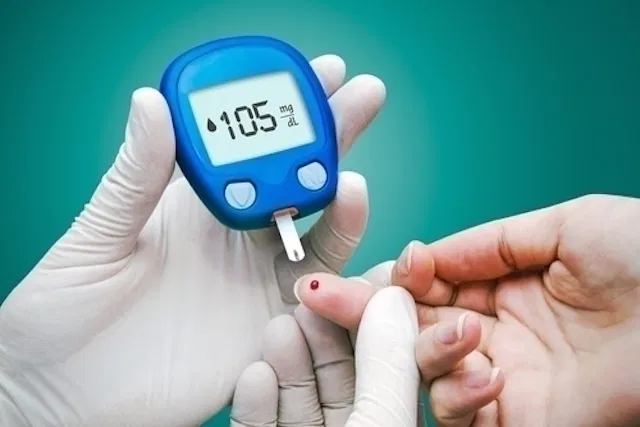
Depending on your treatment plan, you may check and record your blood sugar as many as four times a day or more often if you're taking insulin. Careful monitoring is the only way to make sure that your blood sugar level remains within your target range. People with type 2 diabetes who aren't taking insulin generally check their blood sugar much less frequently.
People with type 1 diabetes need insulin therapy to survive. Many people with type 2 diabetes or gestational diabetes also need insulin therapy. Many types of insulin are available, including rapid-acting insulin, long-acting insulin and intermediate options. Depending on your needs, your doctor may prescribe a mixture of insulin types to use throughout the day and night.
Sometimes other oral or injected medications are prescribed as well. Some diabetes medications stimulate your pancreas to produce and release more insulin. Others inhibit the production and release of glucose from your liver, which means you need less insulin to transport sugar into your cells.
In some people who have type 1 diabetes, a pancreas transplant may be an option. Islet transplants are being studied as well. With a successful pancreas transplant, you would no longer need insulin therapy.
Although it is not specifically considered a treatment for type 2 diabetes, people with type 2 diabetes who are obese and have a body mass index higher than 35 may benefit from this type of surgery. People who've undergone gastric bypass have seen significant improvements in their blood sugar levels. However, this procedure's long-term risks and benefits for type 2 diabetes aren't yet known.
Meal planning and choosing a healthy diet for you are key aspects of diabetes management, as food greatly impacts blood sugar. If you take insulin, counting carbs in the food and drinks you consume is a large part of management. The amount of carbs you eat determines how much insulin you need at meals. Healthy eating habits can also help you manage your weight and reduce your heart disease risk.
Physical activity increases insulin sensitivity (and helps reduce insulin resistance), so regular exercise is an important part of management for all people with diabetes.